Your California Real Estate Resource | CaliLove

California’s housing rules just changed in a big way. On July 1, 2026, the core provisions of Senate Bill 79 — officially the Abundant and Affordable Homes Near Transit Act — took effect, reshaping how and where new homes can be built near public transportation. Whether you own a home, rent an apartment, or plan to buy soon, this law will influence your neighborhood, your property value, and the housing choices available to you in the years ahead.
Here is a clear, plain-English breakdown of what SB 79 does, who it affects, and what California residents should watch for next.
What Is SB 79 and Why Does It Matter
SB 79 was authored by State Senator Scott Wiener and signed into law by Governor Gavin Newsom in October 2025. Its goal is to tackle California’s long-running housing shortage by allowing more multi-family homes near major transit stops. For decades, local zoning rules across the state blocked apartments and mid-rise buildings in many transit-rich areas, keeping supply low and prices high.
The law does not force anyone to build. Instead, it removes local zoning barriers so that housing near transit becomes legal to build by right. You can read the full text of SB 79 on the state legislature’s website. Understanding this shift is now essential for anyone following the California housing market.
How SB 79 Changes Housing Near Transit
The Half-Mile Rule
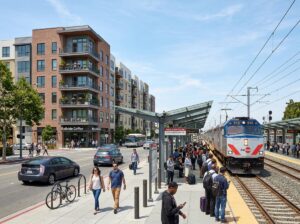
SB 79 legalizes taller, denser residential development within roughly a half-mile of qualifying transit stops. That includes stations served by systems like BART, Caltrain, LA Metro, Sacramento Regional Transit, and Santa Clara VTA. Any qualifying project must include at least five dwelling units, which means the law targets apartments and condos rather than single homes.
A Tiered Density Approach
Not every transit stop unlocks the same amount of density. SB 79 uses a tiered system: sites closest to high-frequency heavy rail or commuter rail earn the greatest height and density allowances, while stops served by light rail or rapid bus lines receive more modest increases. In practice, this means a parcel next to a busy rail hub could support a mid-rise building, while a lot near a bus corridor may allow a smaller project.
What SB 79 Means for Homeowners
If you own a home near a qualifying transit stop, SB 79 could change what gets built around you. Neighborhoods that were once exclusively single-family may see new apartments or condos over time. For some owners, that raises questions about neighborhood character and parking; for others, it creates opportunity.
Property owners near transit may find their land more valuable to developers, since it can now support higher-density housing. Homeowners weighing long-term plans should factor this into decisions about selling, renovating, or holding. Keeping an eye on local real estate news will help you understand how these changes play out in your specific area.
What SB 79 Means for Renters
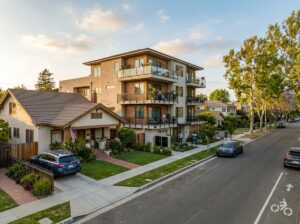
For renters, SB 79 is aimed squarely at the affordability problem. California remains one of the most expensive states to rent in, and the law’s core theory is simple: more homes near transit should, over time, ease upward pressure on rents. That relief will be gradual, since new construction takes years to complete.
Importantly, the law includes anti-displacement protections. Projects generally cannot be built by demolishing existing rent-controlled housing or homes currently occupied by tenants, and qualifying developments must include affordable units. These safeguards are designed to add housing without pushing out current residents. As supply grows, understanding your financing options can help renters weigh whether buying becomes realistic down the line.
Local Flexibility and Fire Safety Protections
City Opt-Outs and Alternative Plans
SB 79 is a statewide standard, but it leaves room for local input. Cities can exempt certain sites or adopt their own transit-oriented development plans, as long as those plans allow at least as much housing overall. The California Department of Housing and Community Development reviews and approves these alternative plans, keeping local flexibility aligned with statewide goals.
Wildfire Zone Safeguards
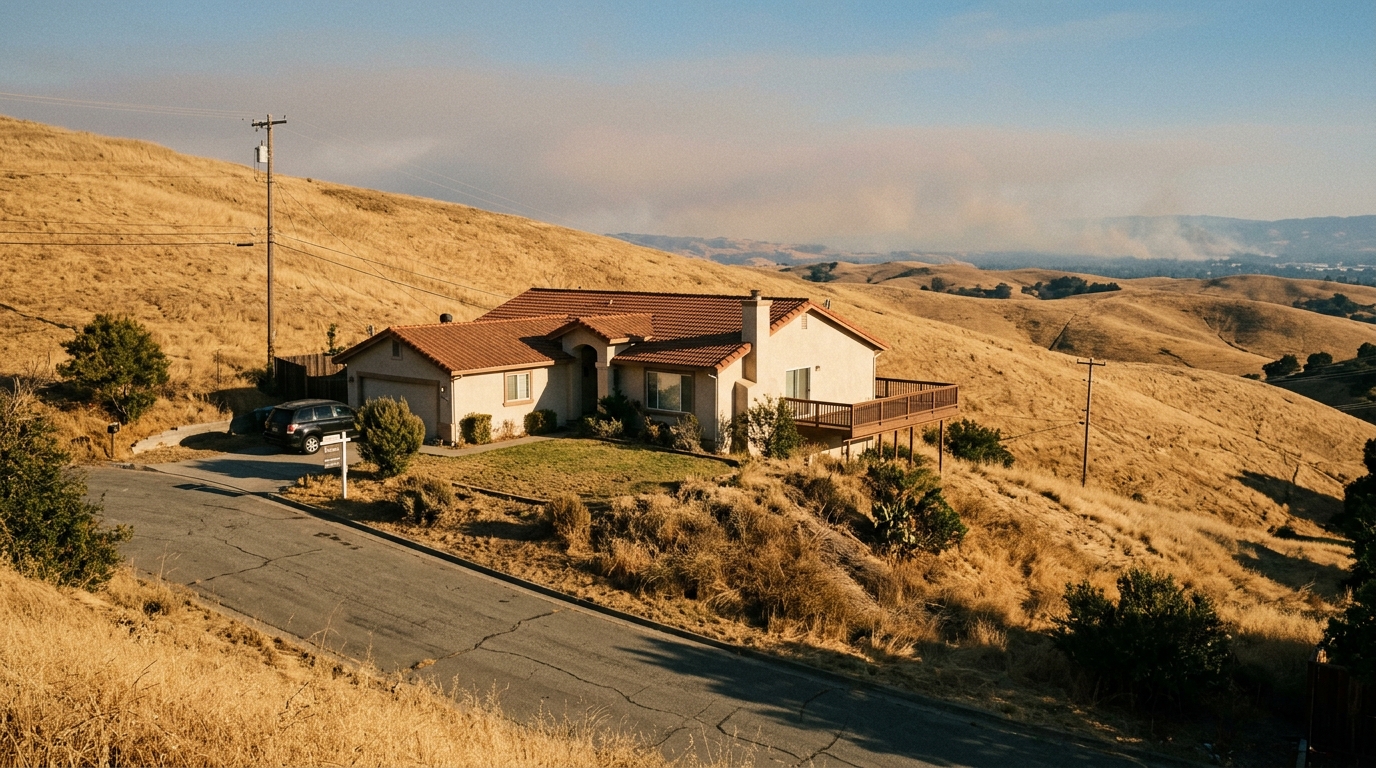
Fire safety is built into the law. In very high fire severity zones, local leaders have at least three years to adopt plans that protect their communities, and they can shift density away from the highest-risk areas. The law also does not affect the ability of residents to rebuild homes damaged or destroyed in the January 2025 wildfires.
Image 4 here
Which California Regions Feel the Biggest Impact
SB 79 applies to counties with significant transit infrastructure, including Los Angeles, Orange, San Diego, Santa Clara, San Mateo, San Francisco, Alameda, and Sacramento. Sacramento is especially well-positioned to absorb new development, thanks to its light rail network, concentration of state jobs, and lower land costs compared with coastal metros.
Dense urban cores in the Bay Area and Los Angeles will likely see the most visible change, while suburban communities near rail lines may gradually shift toward mixed housing. If you are researching where to live, our neighborhood guides can help you understand how each community is evolving.
The Bottom Line for California Residents
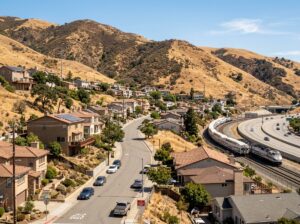 SB 79 is one of the most significant housing laws California has passed in years, but its effects will unfold slowly. Zoning changes take effect now; visible new construction will follow over the coming years. For a state where housing affordability remains a top concern, the law represents a long-term bet on building more homes where people can live near transit.
Whether you are a homeowner, renter, or future buyer, the smart move is to stay informed. Watch how your city responds, track new development near transit, and consider how added supply might shape your next housing decision.