Your California Real Estate Resource | CaliLove

California real estate has minted fortunes for generations of investors, but with home prices near record highs, mortgage rates above 6%, and rising costs across the board, many are asking a fair question: is California rental property still a good investment in 2026? The answer, as with most things in this state, depends heavily on where you buy and how carefully you run the numbers.
The short version is that California remains one of the most durable rental markets in the country, but it is no longer a place where any purchase pencils out automatically. Here is an honest look at the demand drivers, the best markets, the real risks, and the tax advantages that shape rental investing in 2026.
The Case for California Rental Property in 2026
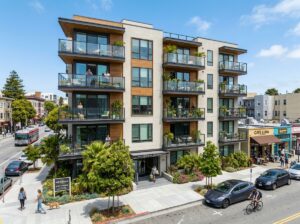
California’s fundamentals remain remarkably strong. The state anchors a diversified, multi-trillion-dollar economy spanning technology, healthcare, entertainment, and logistics, which sustains a deep and steady pool of renters. Chronic housing undersupply, driven by strict zoning and high construction costs, continues to limit new inventory and support values — the California Association of Realtors projects the statewide median price will reach a record near $905,000 in 2026.
Perhaps most importantly for landlords, high home prices and elevated mortgage rates are keeping would-be buyers in the rental pool longer. That translates into lower turnover, longer tenancies, and stronger pricing power for well-located, well-maintained properties.
What the Numbers Say
The Rent-Versus-Buy Gap
The single biggest force supporting rental demand is the widening gap between renting and owning. According to the California Legislative Analyst’s Office, the monthly cost premium of owning over renting reached roughly 62% in late 2025. In practical terms, a household paying $2,800 in rent might need around $4,500 a month to own a comparable home. In the priciest coastal metros, that gap is even wider. As long as ownership stays out of reach for most households, renters keep renting.
A Two-Speed Rental Market
California is not one rental market but several. Supply-constrained coastal markets like San Jose, San Francisco, and San Diego are seeing strong demand, with vacancy below 5% and rent growth in the 4 to 5% range in many submarkets. Silicon Valley in particular leads the nation, fueled by AI and tech hiring. Meanwhile, markets with heavy new supply have softened: Sacramento rents turned slightly negative in 2025, and luxury new construction in Downtown Los Angeles is offering concessions to fill units. Knowing your specific submarket matters more than ever.
Best California Markets for Rental Investors
Coastal Cores for Appreciation
If your strategy leans toward long-term appreciation and premium rents, the coastal cores are hard to beat. San Diego offers a deep renter base supported by biotech, defense, and tourism, while the Bay Area and Silicon Valley continue to command the state’s highest rents. These markets carry higher entry prices and lower initial yields, but they reward patience with durable demand and long-term equity growth.

Inland and Valley for Cash Flow
For investors focused on monthly cash flow, the Inland Empire and Central Valley offer far better rent-to-price ratios. Riverside and San Bernardino keep absorbing households priced out of coastal counties, while cities like Fresno, Bakersfield, Stockton, and Modesto provide lower entry points and stronger yields. Sacramento sits in between — an affordable capital city with a stable, government-anchored economy that many investors treat as a steady long-term compounder. Short-term rental markets like Palm Springs can also perform well, though local permit rules vary widely.
Risks and Challenges to Weigh
Financing and Insurance Costs
Higher borrowing costs are the most obvious hurdle. With rates above 6%, deals that once cash-flowed comfortably now require larger down payments or value-add upside to work. On top of that, California’s insurance costs have climbed sharply, especially in fire-prone areas, and rising premiums can quietly erode net operating income. Investors underwriting at pre-2023 expense ratios risk overpaying.
Rent Control and Regulation
Regulation is a core driver of returns in California. The statewide rent cap under AB 1482 limits annual increases to 5% plus inflation, up to a maximum, and local ordinances in cities like Los Angeles can be stricter for older buildings. Single-family homes and properly noticed condominiums are generally exempt, which makes them more flexible assets for many landlords. Understanding the rules that apply to a specific property is essential before you buy.
Tax Advantages for Rental Owners

The tax code remains one of the strongest arguments for rental investing. Owners can deduct mortgage interest and depreciate residential rental property over 27.5 years, sheltering a portion of income each year. Expenses for management, repairs, and maintenance are deductible, and a 1031 exchange lets investors defer capital gains taxes by rolling proceeds into a like-kind property. Used well, these benefits can meaningfully boost after-tax returns and support portfolio growth over time.
The Bottom Line
So, is California rental property still a good investment in 2026? For disciplined investors who buy in the right submarket and underwrite realistically, the answer is yes. The state’s deep renter demand, constrained supply, and powerful tax advantages continue to make it attractive, even as higher rates, insurance costs, and regulation demand more careful analysis. New supply from measures like SB 79 may also reshape opportunities near transit in the years ahead. Run a conservative five-year pro forma, stress-test your assumptions, and consult a qualified financial or tax professional before committing. For more ideas, explore our coverage of investment properties across the state.